We Ship Worldwide And Only With Trusted Shipping Companies


How to Choose the Right 4WD Sun Visor in Australia (2026 Buyer’s Guide)
How to Choose the Right 4WD Sun Visor in Australia (2026 Buyer’s Guide)How to Choose the Right 4WD Sun Visor in Australia (2026
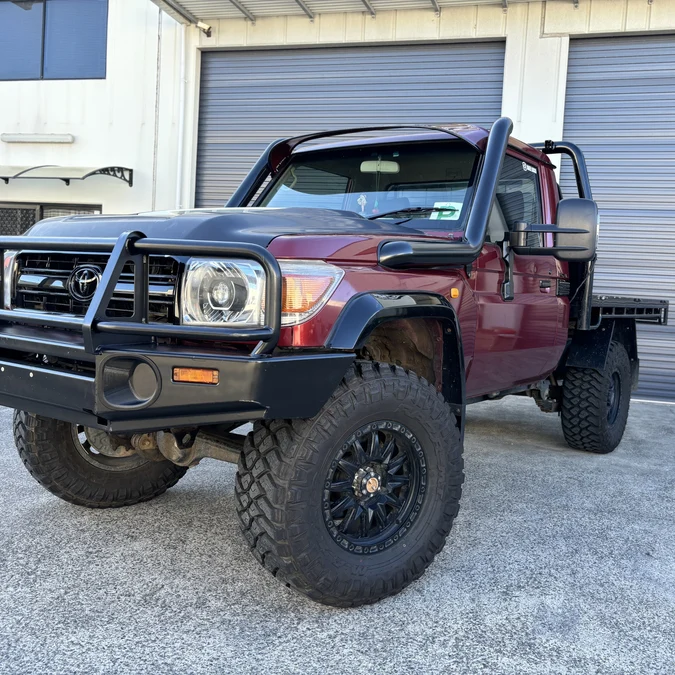
Anyone who’s driven across the outback, up the coast, or even just across town on a bright Aussie afternoon knows the problem: harsh glare, relentless UV, and a cabin that heats up fast. A factory sun visor barely covers it. That’s why more Australian 4WD owners — especially LandCruiser, Hilux, Patrol, and Ranger drivers — are fitting an aftermarket sun visor for cars built specifically for local conditions.
If you’re shopping for a 4WD sun visor Australia wide, this guide breaks down the types available, what affects fit, and how to pick the right one for your vehicle.
Why a Proper Sun Visor Matters in Australia
Australia has some of the highest UV exposure levels in the world, and long, straight highways mean hours of direct sun through the windscreen. A quality windscreen sun visor does more than block glare — it reduces cabin heat, protects your dash and interior trim from UV damage, and takes pressure off your eyes on long drives, whether you’re touring the Kimberley or commuting through Sydney traffic.
The Three Main Types of Sun Visors
1. Solid Sun Visors
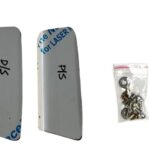
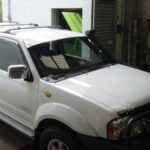
A solid, rigid visor mounted above the windscreen is the most common choice for 4WD sun visors in Australia. It offers maximum shade and doubles as a stone and debris guard — handy if you’re driving unsealed roads regularly. Solid visors are popular on LandCruiser 70, 79, and 80 Series models, where a wide, flat windscreen benefits from full coverage.
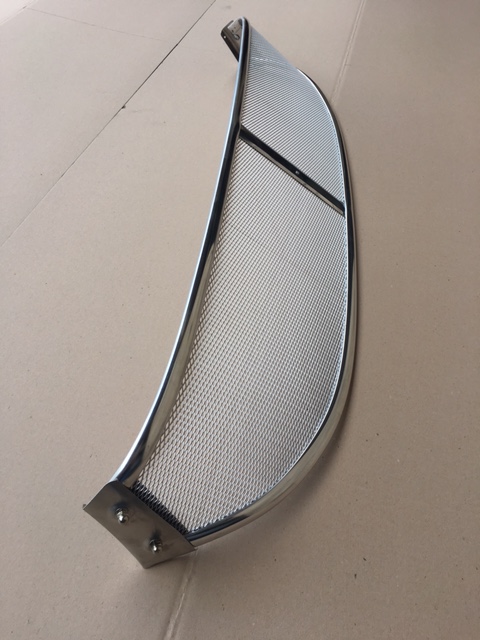
A mesh sun visor offers a lighter-weight alternative that still cuts glare and heat but allows a bit more airflow and visibility around the edges. These suit drivers who want protection without the fully solid look — common on Hilux N70 and N80 models.
3. Tinted Sun Visors
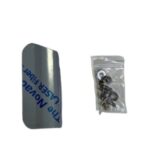
A tinted sun visor for car windscreens is a subtler option, often chosen for a cleaner factory-look finish. It reduces glare without the bulk of a solid visor, and works well for drivers who split their time between city and touring use.
Each type does the same core job — glare and heat reduction — so the right pick really comes down to how and where you drive, and how much coverage you want.
What Affects Fit
This is the part buyers get wrong most often: sun visors are not one-size-fits-all. Fit depends on:
- Make and model — a Toyota LandCruiser sun visor won’t fit a Nissan Patrol, even if the vehicles look similar in size.
- Year range — body shape changes across generations, so a visor built for a 2005–2015 model may not suit a 2020+ build of the same nameplate.
- Windscreen shape and mounting points — some vehicles need brackets, others clip directly to existing mounts.
Always check the specific year range and model listed against your vehicle before ordering. If you’re after a Hilux sunvisor, Nissan Patrol sun visor, or a Toyota LandCruiser sun visor, matching the exact series (e.g. GU, GQ, 100 Series, 300 Series) is the difference between a clean fit and a return.
Materials and Durability
Australian conditions are tough on exterior fittings — UV breakdown, heat warping, and coastal corrosion all take a toll. Look for:
- UV-stabilised material that won’t discolour or crack under constant sun exposure
- Reinforced mounting points that hold up on corrugated dirt roads
- Weather-sealed edges to stop water pooling or wind noise at highway speed
A visor that’s built for Australian conditions specifically — rather than a generic import — will last longer and perform better in extreme heat.
Brackets and Installation
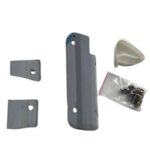
Some vehicles need dedicated sunvisor brackets to mount a solid visor correctly, particularly older LandCruiser and Patrol models where factory mounting points aren’t designed for aftermarket fittings. Stainless steel brackets are the sturdier long-term option, especially if the vehicle sees regular off-road use where vibration and flex are constant.
Installation is generally straightforward with the right brackets and basic tools, though if you’re not confident, most auto trimmers or 4WD fitment shops in Australia can install a sun visor in under an hour.
How to Choose the Right One for Your Vehicle
Before you buy, run through this quick checklist:
- Confirm your exact make, model, and year range
- Decide whether you want solid, mesh, or tinted coverage
- Check whether brackets are required or included
- Consider your driving conditions — outback touring favours solid visors; city/highway driving suits mesh or tinted
- Look for UV-stabilised, Australian-conditions-tested materials
Final Thoughts
Choosing the right sun visor Australia drivers can rely on comes down to matching the visor type to your vehicle and how you actually use it. Whether you’re after a Toyota Hilux sunvisor, LandCruiser sunvisor, or Nissan Patrol sunvisor, getting the fit and material right means less glare, a cooler cabin, and a visor that lasts through everything the Australian climate throws at it.
Browse our full range of 4WD sun visors, brackets, and snorkels built for Australian conditions, or get in touch if you’re not sure which model fits your vehicle — we’re happy to help you find the right one.