We Ship Worldwide And Only With Trusted Shipping Companies


Sun Visor Buying Guide: Solid vs Mesh vs Tinted for Aussie 1
Australian drivers deal with some of the harshest sun exposure on the planet — long highway stretches, intense UV, and cabin heat that builds up fast. A 4WD sun visor is one of the simplest upgrades that makes a real difference, but the range of options can be confusing. Solid, mesh, or tinted — which one actually suits your vehicle and how you drive?
This guide breaks down each type so you can choose the right sun visor for car or 4WD with confidence.
Why the Right Type Matters
Not all sun visors do the same job in the same way. A windscreen sun visor built for outback touring needs to handle stone chips, dust, and vibration on corrugated roads. One built for daily city driving just needs to knock down glare and heat without changing the look of the vehicle too much. Picking the wrong type means either paying for coverage you don’t need, or not getting the protection you do.
Solid Sun Visors
Best for: touring, off-road driving, maximum sun and stone protection
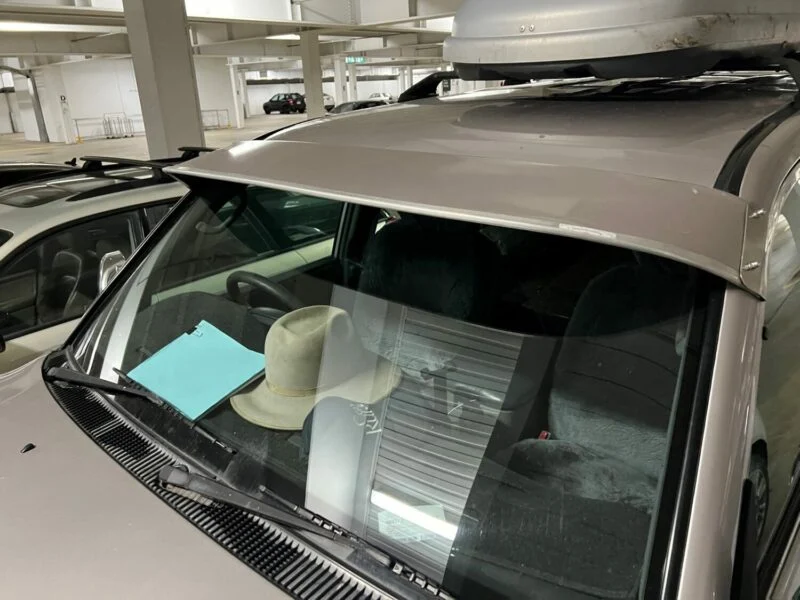
A solid sun visor is a rigid, full-coverage panel mounted above the windscreen. It’s the most popular choice for LandCruiser sun visor and Nissan Patrol sun visor setups, particularly on 70, 79, 80, and 100 Series builds that spend real time on dirt roads.
Pros:
- Maximum glare and heat reduction
- Doubles as protection against stone chips and debris
- Rugged, long-lasting build for remote touring
Cons:
- Bulkier appearance
- Usually needs dedicated mounting brackets
- Slightly reduces visibility right at the top of the windscreen
If you’re regularly driving unsealed roads or touring through remote parts of Australia, solid is generally the safer long-term choice.
Mesh Sun Visors
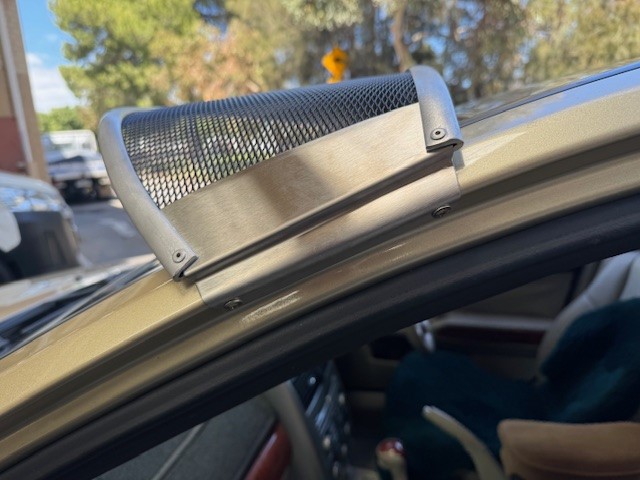
Best for: drivers who want protection with more airflow and visibility
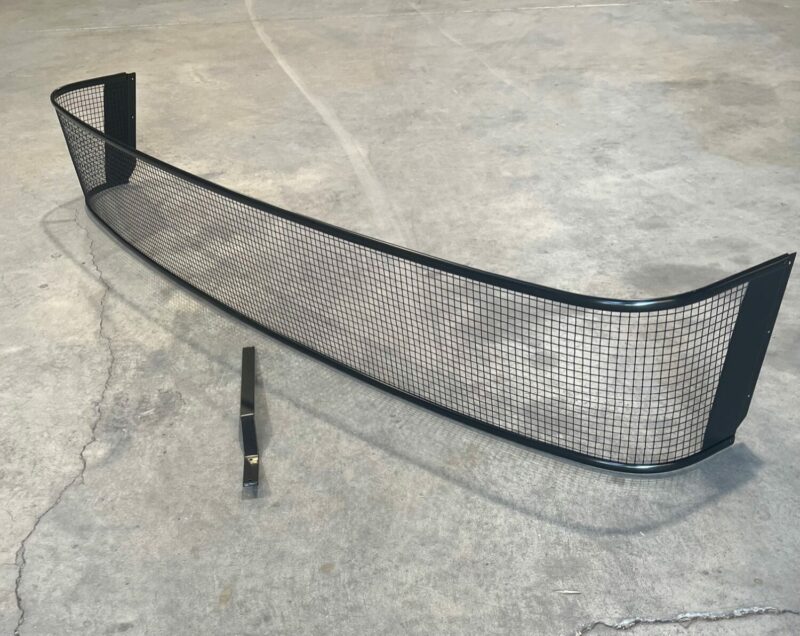
A mesh sun visor cuts glare and heat similarly to a solid visor but with a more open design. It’s a common fit for Hilux N70 and N80 models, and suits drivers who want the benefits of a visor without it feeling like a heavy add-on.
Pros:
- Lighter weight than solid options
- Better visibility and airflow around the edges
- Still offers solid UV and glare reduction
Cons:
- Slightly less stone/debris protection than a solid visor
- Not quite as much shade coverage in peak sun
Mesh is a good middle ground — it’s the pick for owners who drive a mix of highway, suburban, and occasional off-road without needing full touring-spec protection.
Tinted Sun Visors
Best for: city and highway driving, a cleaner factory-look finish
A tinted sun visor for car windscreens sits closer to the glass and reduces glare with a lower-profile look. It’s popular with drivers who want the functional benefit without changing the vehicle’s appearance much — a common choice for Ranger and dual-cab ute owners doing mostly city and highway kilometres.
Pros:
- Subtle, low-profile appearance
- Reduces glare effectively for everyday driving
- Often simpler to install, with fewer brackets required
Cons:
- Less stone/debris protection than solid or mesh
- Not built for heavy off-road conditions
Side-by-Side Comparison
| Feature | Solid | Mesh | Tinted |
|---|---|---|---|
| Glare/heat reduction | Highest | High | Moderate |
| Stone/debris protection | Highest | Moderate | Low |
| Weight/bulk | Heaviest | Medium | Lightest |
| Visibility | Reduced slightly | Good | Best |
| Best for | Outback touring | Mixed driving | City/highway |
Fit Still Comes First
Whichever type you choose, fit matters more than style. A Toyota LandCruiser sun visor, Hilux sunvisor, or Nissan Patrol sunvisor needs to match the exact model and year range of your vehicle — body shape and windscreen mounts change across generations, so always check compatibility before ordering. Some setups also need dedicated sunvisor brackets, particularly older LandCruiser and Patrol models.
Quick Decision Guide
- Regularly on dirt roads or remote touring? → Solid
- Mixed city, highway, and occasional off-road? → Mesh
- Mostly city and highway, want a subtle look? → Tinted
Final Thoughts
There’s no single “best” sun visor Australia wide — the right choice depends on your vehicle and how you actually drive it. Solid visors suit serious touring, mesh offers a balanced middle ground, and tinted works well for everyday city and highway use. Whatever you choose, make sure it’s UV-stabilised and built to handle Australian heat and conditions, not just a generic import.
Browse our full range of solid, mesh, and tinted 4WD sun visors, or get in touch if you’re not sure which option fits your vehicle.